

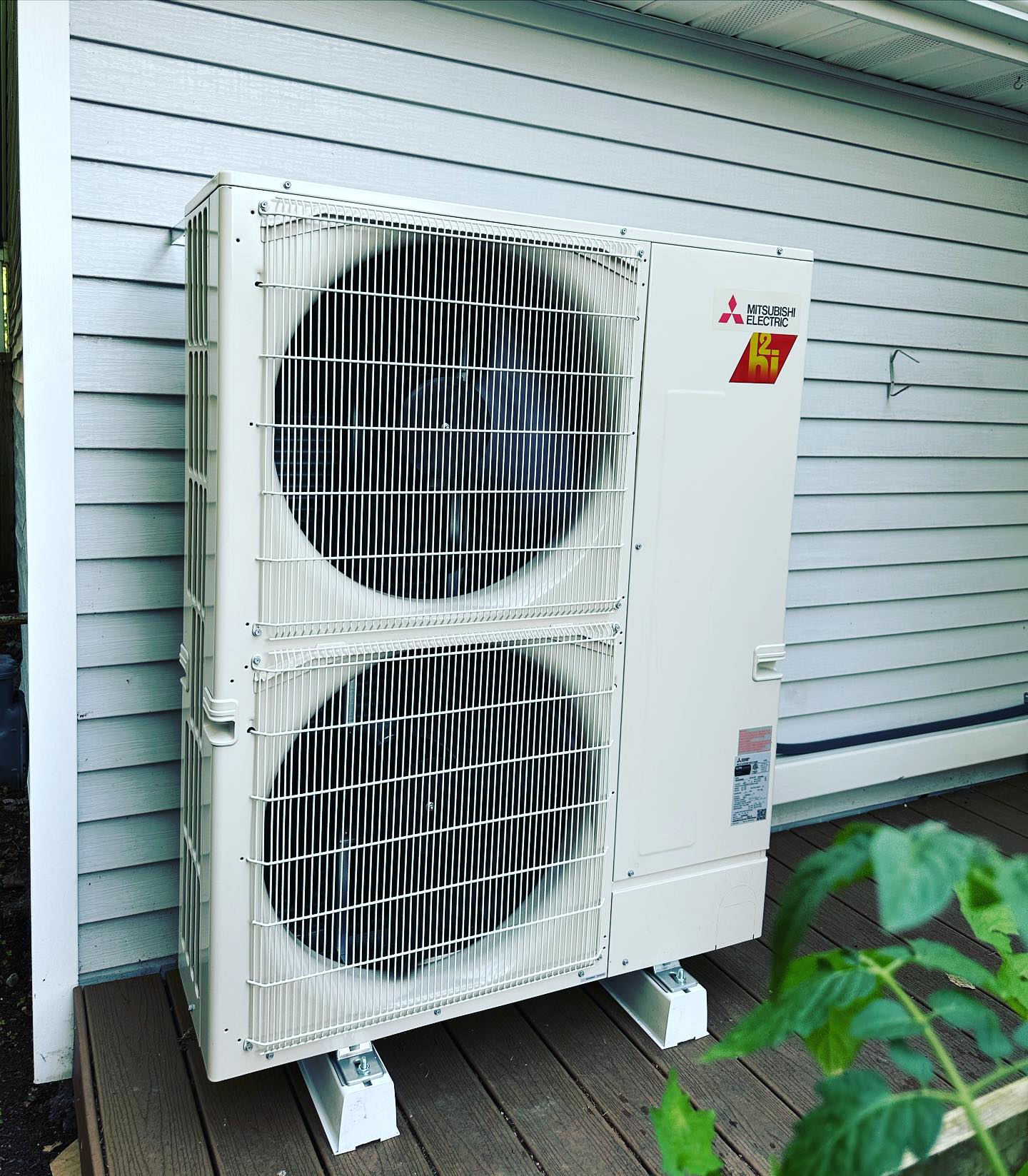
✅ Pros of Heat Pumps in Washington State
1) Heating + cooling in one system – A heat pump works as both a heater and an air conditioner, which is a smart upgrade for many homes without AC.
2) Lower monthly energy bills (in many homes) – Many homeowners reduce energy usage compared to electric baseboards or older heating systems (results depend on insulation, ductwork, and sizing).
3) Comfortable, even heat – Modern heat pumps provide steady heating and better temperature control, especially with a smart thermostat.
4) Cleaner option (no gas combustion inside the home) – No fuel is burned indoors, which can improve air quality and safety.
5) Better home value & long-term upgrade – A properly installed heat pump is one of the best upgrades for long-term comfort and efficiency.
⚠️ Cons of Heat Pumps (What People Should Know)
1) Higher upfront cost – Heat pump installation is usually more expensive than a basic furnace replacement, especially if ductwork or electrical upgrades are needed.
2) Installation quality matters a lot – The #1 reason people dislike heat pumps is poor installation (wrong sizing, bad airflow, incorrect refrigerant charge, no duct sealing, poor drainage). A heat pump is only as good as the contractor installing it.
3) Older homes may need ductwork or insulation improvements – Leaky or undersized ducts can reduce performance and comfort.
Heat Pump Installation Cost in Washington (2026)
Prices depend on your home, system type, and equipment size. Typical installed costs:
1) Ducted heat pump (central system): 💰 $12,000 – $20,000+
2) Ductless mini-split heat pump: 💰 $5,500 – $9,500+ per zone (multi-zone systems: $10,000 – $25,000+)
3) Heat pump + air handler replacement: 💰 $14,000 – $24,000+
⚠️ Cheap quotes often skip important work like duct upgrades, correct line set, proper evacuation, permits, electrical corrections, and full system commissioning.
What Affects the Final Price?
1) System size & home layout – Square footage, room count, and layout affect sizing and labor.
2) Ductwork condition (if ducted) – Older ducts may need sealing, new returns, resizing supply runs, or airflow balancing.
3) Electrical panel & circuit needs – Some homes require a new breaker, wiring upgrades, or disconnect changes.
4) Brand & efficiency (SEER2 / HSPF2) – Higher efficiency costs more upfront but may lower long-term operating cost.
5) Permits & code requirements – Permits and inspections may be required depending on the city and job type.
Heat Pump vs Gas Furnace in WA: Which Is Better?
✅ Heat pumps are a strong choice in Washington, especially if you want cooling in summer and consistent comfort year-round. A gas furnace may still make sense if you have cheap gas rates, your home has poor insulation, or you need maximum heat output in extreme cold. Many homeowners choose a dual fuel system (heat pump + gas backup) for the best balance.
How to Know If a Heat Pump Is Right for Your Home
A quality estimate should include load calculation (proper sizing), airflow evaluation, duct inspection (if ducted), electrical check, and clear equipment options with warranty details. If a company gives a price without checking ducts or airflow — that’s a red flag.
Why Homeowners Choose Tempra HVAC
At Tempra HVAC, we focus on correct installation and long-term reliability, not shortcuts. ✅ Licensed • Bonded • Insured | ⭐ 5-Star Reviews.
📍 Serving Seattle, Bellevue, Everett, Lynnwood, Bothell, Lake Stevens & nearby areas.
📞 Call/Text: 206-466-0202 | 🌐 temprahvac.com
FAQ: Heat Pumps in Washington
Do heat pumps work well in Seattle weather? Yes — Washington’s climate is ideal for modern high-efficiency heat pumps.
Will a heat pump reduce my bills? Often yes, depending on your current system, insulation, ductwork, and install quality.
Mini split or central heat pump? Mini splits are great without ducts; central systems work best with good ductwork.
How long does installation take? Most installs take 1–2 days, but ductwork/electrical upgrades can add time.